Brain Donation: The Invisible Step That Could Change The Future of Autism

You support autism research, but do you know what truly makes these discoveries possible? A little-known detail may be hindering important scientific advances.
The advancement of science on autism depends on something many people don't even imagine: the direct study of the human brain. Although autism is widely discussed and increasingly understood as a neurodevelopmental condition, many questions remain about its biological causes.
To answer these questions, scientists need to analyze the brains of autistic individuals after death, something that cannot be replaced by imaging, artificial intelligence, or animal studies.
Recent research has revealed a curious contrast. The vast majority of people recognize that studying the brain is essential to advancing knowledge about autism. However, few know that this is only possible thanks to brain donation. In other words, there is support for the science, but little understanding of how this science actually happens in practice.

The study was conducted with over a thousand participants who answered questions about their knowledge and perception of autism research and brain donation. This type of approach is called a population survey, in which researchers collect opinions and knowledge levels from a representative group of the population.
The goal here was not to test a treatment, but to understand how people think about the topic and identify possible information gaps.
The results showed that over ninety percent of respondents consider studying the brain in the context of autism very important. However, about seventy percent had never heard of brain donation. This indicates a significant disconnect: people value the research results but are unaware of the process necessary for it to exist.

Another point investigated was the level of knowledge about how brain donation works. Many participants had incorrect ideas, such as believing that donation could occur days after death or even while the person is still alive. In reality, for brain tissue to be useful for research, it needs to be collected a few hours after death.
This detail is essential from a scientific point of view, as the brain begins to degrade rapidly after death, which compromises the quality of the analyses.
The researchers also assessed beliefs about who can donate. A significant number of people mistakenly believed that conditions such as autism or epilepsy would prevent donation. In fact, the opposite is true: brains from people with these conditions are extremely valuable, as they allow for comparison of biological differences and a better understanding of the mechanisms involved.
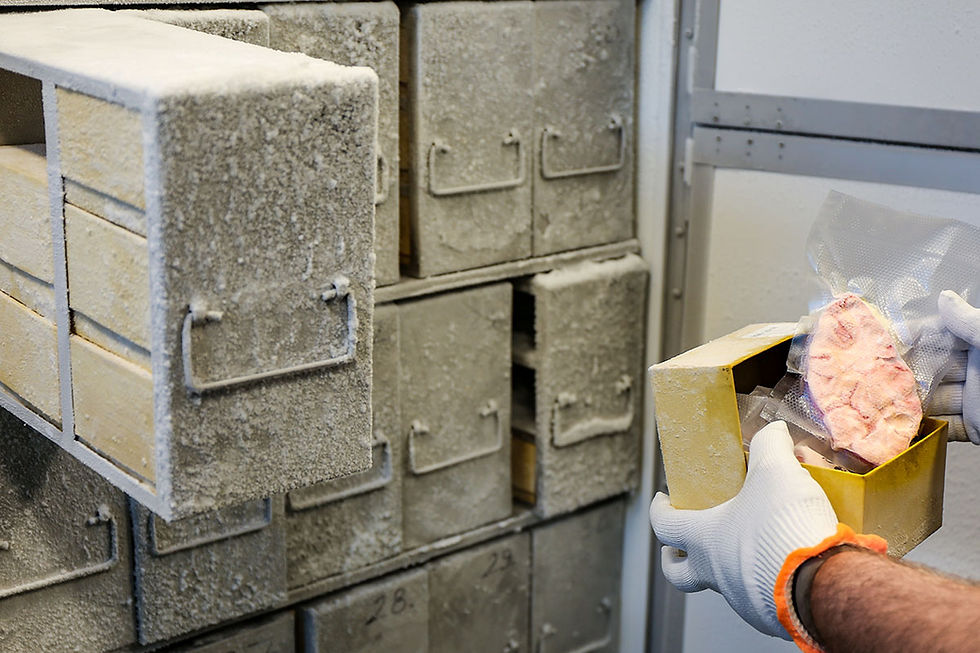
Beyond quantitative data, the study also included personal accounts, showing the human impact behind science. Families who choose donation often see this gesture as a way to give meaning to loss, contributing so that other people can benefit in the future.
This emotional aspect is important because it helps to understand that scientific research is also built upon profoundly human decisions.
Finally, the study highlights the importance of awareness campaigns. Researchers argue that increasing public knowledge about brain donation can accelerate scientific discoveries.
Since autism involves complex brain alterations, having access to more samples allows for more precise studies, more robust comparisons, and eventually, the development of more effective interventions.
READ MORE:
SciTechDaily
Autism BrainNet


Comments