New Treatment Uses Everyday Data To Combat Depression More Effectively

Your smartwatch could help treat depression. Scientists used artificial intelligence to discover which habits truly affect each person's mood, and the results were impressive. The new personalized approach managed to reduce symptoms of depression, anxiety, and even improve memory and concentration.
Depression is now one of the most common and debilitating mental health conditions in the world. Millions of people live daily with symptoms such as persistent sadness, lack of energy, discouragement, anxiety, sleep disturbances, and difficulty concentrating. Although effective treatments exist, one of the biggest challenges in modern psychiatry is that depression is not the same for everyone.
What helps one person may not work for another. While some patients improve with physical exercise, others respond better to regulated sleep, a healthy diet, social interaction, or meditation.
Now, scientists have developed an innovative approach that uses artificial intelligence to discover exactly which habits have the greatest impact on each individual's mood.
The study started from a simple but powerful idea: instead of offering the same treatment to everyone, why not analyze each person's lifestyle in detail and create a fully personalized intervention?

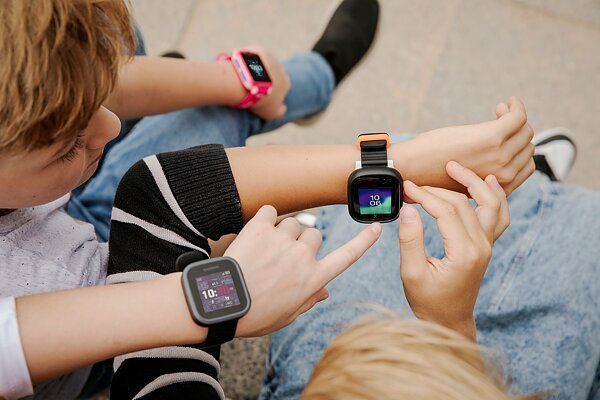
To do this, researchers recruited fifty people with mild to moderate depression and tracked their daily routines using smartwatches and questionnaires sent to their cell phones several times a day.
For two weeks, participants recorded information about sleep, physical activity, diet, social interaction, mood, energy, stress, and other emotional aspects. Simultaneously, the smartwatches collected continuous data on body movement, sleep patterns, and daily activity.
The most innovative part came afterward. The scientists used advanced machine learning models, a type of artificial intelligence capable of identifying complex patterns in large amounts of data. But, unlike most studies, the algorithms did not compare one person to another.
Instead, the artificial intelligence deeply analyzed each participant's individual data to discover which factors directly influenced their mood swings. In some people, for example, poor sleep was strongly linked to worsening emotions. In others, the main factor was social isolation, sedentary lifestyle, or irregular eating habits.
With this information, the researchers created personalized mood-improving plans for each participant. Instead of recommending generic changes, each person received specific guidance focused precisely on the lifestyle aspect that most impacted their mental health.
These plans were monitored weekly by professionals trained in behavioral health for six weeks. The idea was to transform the data collected by artificial intelligence into practical and realistic changes for daily life.
The results surprised the scientists themselves. Participants showed a significant reduction in symptoms of depression, anxiety, and general emotional distress. Many also showed improvements in quality of life, energy, motivation, and daily functioning.
Furthermore, cognitive tests revealed significant improvements in attention, working memory, and concentration capacity, brain functions frequently impaired by depression. And most impressively, the benefits remained even weeks after the intervention ended.

Another important detail is that artificial intelligence was able to predict with high accuracy which interventions would be most effective for each person, arriving at results very close to the decisions made by experienced human professionals.
This suggests that, in the future, similar technologies could help make mental health treatments more accessible, personalized, and available remotely, even in regions with few mental health specialists.
Researchers believe that this model could represent a new era in the treatment of depression. Instead of viewing all patients in the same way, science is beginning to recognize that each brain functions uniquely. And perhaps it is precisely this personalization, this deep understanding of lifestyle, emotional patterns, and individual needs, that will allow for the creation of much more effective treatments in the future.
READ MORE:
Personalized machine learning guided intervention for optimizing lifestyle behaviors in depression: a pilot study
Jason Nan, Suzanna Purpura, Satish Jaiswal, Houtan Afshar, Vojislav Maric, James K. Manchanda, Charles T. Taylor, Dhakshin Ramanathan, and Jyoti Mishra.
NPP, Digital Psychiatry and Neuroscience, 4, Article number: 10 (2026)
DOI:10.1038/s44277-026-00062-3
Abstract:
Personalized data-driven interventions for depression are much needed. Here, we leveraged N-of-1 machine learning (ML) to optimally target behavioral lifestyle interventions for depression. 50 individuals with mild-to-moderate depression enrolled in the single-arm, open-label Personalized Mood Augmentation (PerMA) pilot clinical trial (NCT05662254). Participants completed a two-week digital monitoring phase using smartphone-based ecological momentary assessments (EMAs, 4×/day) plus smartwatch tracking of mood and lifestyle factors (sleep/exercise/diet/social connection). Personalized ML models were generated from these data to identify lifestyle factors most predictive of individual mood, and results were translated to individualized mood augmentation plans (iMAPs) implemented by participants for six weeks with once-a-week health coach guidance. Intervention completers (n = 40) showed significant reduction in depression symptoms (primary outcome self-rated PHQ9 −3.5 ± 3.8, Cohen’s d = −0.89, CI [−1.25 −0.53], p < 0.001; clinician-rated HDRS −7.2 ± 6.8, d = −1.03, CI [−1.41 −0.65], p < 1E-6) with benefits sustained up to 12-week follow-up. Co-morbid anxiety was also significantly reduced (GAD7: d = −0.85, CI [−1.2, −0.49], p < 0.001) and quality of life improved (d = 0.68, CI [0.33, 1.02], p < 0.001). Additionally, objective cognitive measures impacted in depression including selective attention (d = 0.51, CI [0.18, 0.84], p < 0.001), interference processing (d = 0.53, CI [0.2, 0.85], p < 0.01) and working memory (d = 0.66, CI [0.31, 0.99], p < 0.001) showed significant enhancement. EMA tracking confirmed that improvement in depressed mood was specifically predicted by improvement in individually targeted lifestyles (β = 0.4 ± 0.09, p < 0.0005). Finally, decision algorithms and a large-language-model (LLM) could match human coach-led iMAP assignment with up to 95% accuracy. The PerMA trial presents a personalized lifestyle intervention approach for depression and merits scale-up and RCT testing to establish clinical efficacy. PERMA was registered with ClinicalTrials.gov under registry number NCT05662254.


Comments