New Hope Against Alzheimer's May Come From Existing Medications

Alzheimer's disease is rapidly increasing worldwide, and current treatments remain limited. Repurposing existing medications could accelerate access to safer and more effective therapies. This study identified three promising candidates, ready for clinical trials, bringing new hope in the fight against dementia.
Dementia, especially Alzheimer's disease, is one of the world's greatest health challenges today. Currently, more than forty million people live with this condition, and projections indicate that this number could exceed one hundred million by the year 2050.
Beyond human suffering, the financial impact is enormous, with global costs already exceeding hundreds of billions of dollars per year, affecting families, healthcare systems, and society as a whole.
Currently available treatments offer only limited symptom relief. Some medications temporarily help with memory or daily functioning, but do not stop the progression of the disease. More recently, innovative therapies that act on amyloid protein, one of the markers of Alzheimer's, have emerged, bringing hope.
However, these treatments benefit only a small percentage of patients, require complex monitoring, and can cause significant side effects, which greatly limits their use in practice.

Therefore, the need to find safer, more effective, and more accessible alternatives for most people is growing. Science already knows that Alzheimer's involves not just a single cause, but several processes happening simultaneously, such as inflammation in the brain, failures in communication between neurons, problems in the energy production of cells, and progressive loss of the natural protection of brain tissue. This opens up space for new therapeutic strategies beyond traditional approaches.
One of these strategies is the repurposing of medications. Instead of creating a drug from scratch, researchers investigate whether medications already approved for other diseases can help in the treatment of Alzheimer's. The great advantage is that these drugs have already had their safety tested, which reduces costs, speeds up the process, and increases the chances of reaching patients faster.
This approach is not new and has already been successful in other areas of medicine. Drugs developed for one purpose have proven effective in completely different diseases. Based on this experience, researchers created a structured method for choosing the best candidates, bringing together international experts, analyzing scientific evidence, and reaching careful consensus on which options deserve to be tested in clinical trials.
In this study, a group of experts evaluated eighty potential drugs. After several stages of analysis and discussion, only three were considered truly promising. These candidates stood out for acting on mechanisms linked to neurodegeneration, for showing good results in initial studies, and for being well tolerated by elderly people, the main group affected by the disease.

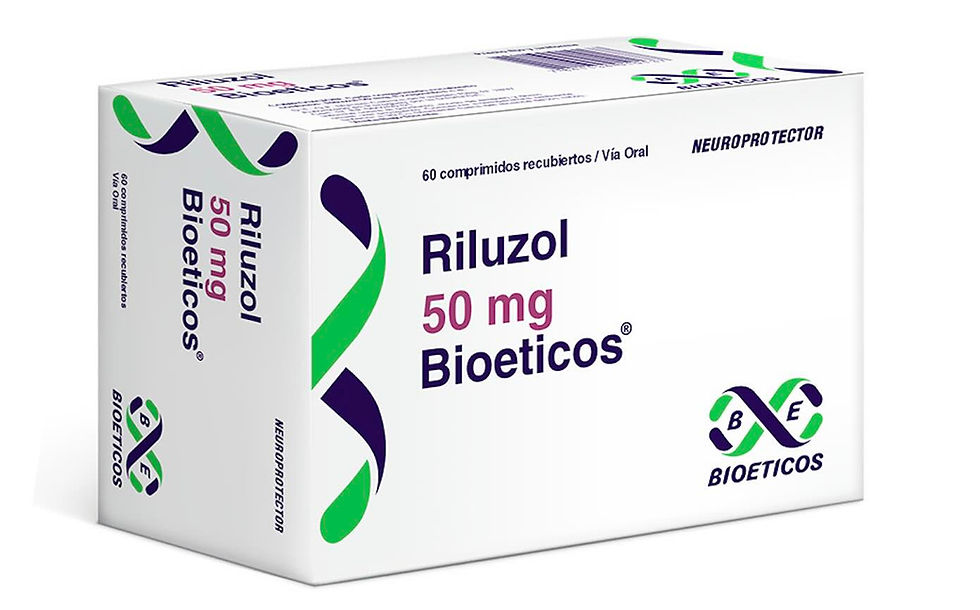
The three selected medications were a shingles vaccine, which can reduce the risk of dementia on a large scale; sildenafil, known to improve blood circulation; and riluzole, which acts on the regulation of brain chemicals. All of them are already used clinically for other conditions, which facilitates their evaluation in new contexts.
The study's conclusion is clear: tackling Alzheimer's requires creativity, collaboration, and speed. The repurposing of medications emerges as a practical and promising solution to accelerate access to new treatments. Existing international research platforms can efficiently test these options, offering real hope to millions of people living with the disease or at risk of developing it.
READ MORE:
Drug repurposing for Alzheimer’s disease: a Delphi consensus and stakeholder consultation
Anne Corbett, Janet Sultana, Kate Stych, Roger Mills, Jeff L. Cummings, Gareth Williams, Zahinoor Ismail, Maria Soto-Martin, Jacobo Mintzer, Serge Gauthier, Nigel H. Greig, Wendy Noble, Richard Killick, Mitchell K. P. Lai, Carol Routledge, Frank Walsh, Howard Fillit, Dag Aarsland, Roger Lane, Kathryn Mills, and Clive Ballard
Alzheimer’s Research & Therapy. Volume 17, article number 237, (2025).
DOI: 10.1186/s13195-025-01895-4
Abstract:
Alzheimer’s disease (AD) is an escalating global challenge, with more than 40 million people affected, and this number is projected to increase to more than 100 million by 2050. While amyloid-targeting antibody treatments (lecanemab and donanemab) are a significant step forward, the benefits of these therapies remain limited. This highlights the necessity for safe and effective compounds that offer greater therapeutic benefits to the majority of individuals with or at risk of AD. Drug repurposing allows for a cost-effective, time-efficient strategy to accelerate the availability of treatments, owing to the availability of safety information. This study focuses on the third iteration of the Delphi consensus programme aimed at identifying new high-priority drug candidates for repurposing in AD. An international expert panel comprising academics, clinicians and industry representatives was convened. Through a combination of anonymized drug nominations, systemic evidence reviews, iterative consensus rankings, and lay advisory inputs, drug candidates were evaluated and ranked based on rational, non-clinical, and clinical evidence and overall safety profiles. Among the 80 candidates that were nominated by the expert panel, seven underwent review, with only three candidates meeting the following consensus criteria of relevant mechanisms for targeting neurodegenerative pathways, non-clinical efficacy, and tolerability in older individuals. The three agents were: [1] the live attenuated herpes zoster (HZ) vaccine (Zostavax) [2], sildenafil, a phosphodiesterase-5 (PDE-5) inhibitor, and [3] riluzole, a glutamate antagonist. The HZ vaccine additionally offers potential for population-level dementia risk reduction. This Delphi consensus identified three high-priority drug repurposing candidates for AD with favourable safety profiles and mechanistic plausibility, which are considered suitable for pragmatic clinical trials, including remote or hybrid designs. The PROTECT platform, which supports international cohorts in the UK, Norway, and Canada, offers a well-established means to conduct such trials effectively, thus helping to accelerate the evaluation and potential deployment of these drug candidates to benefit individuals with or at risk for AD.


Comments